
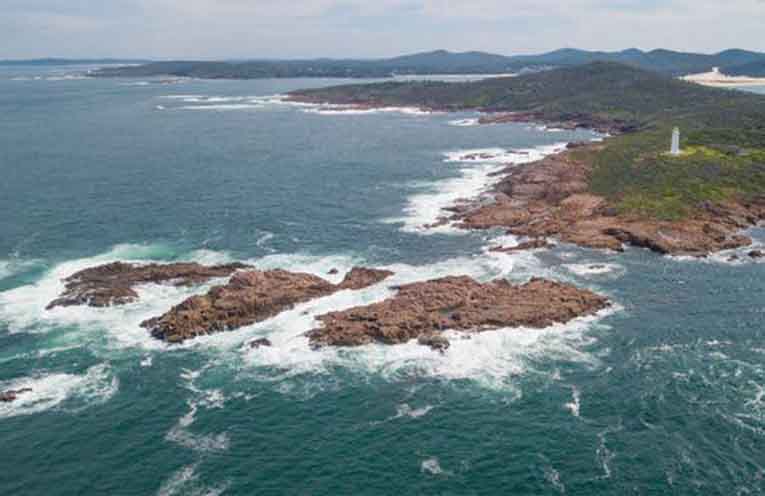
OVER the past 50 or so years, the pure waters of Port Stephens have been threatened by viruses and parasites in the oyster industry, acid sulphate from the disturbed soil leaching into the water column, and inappropriate development and aquatic industries – as with the coal wharf at Fingal and the proposed 90-hectare pearl farm.
Added to these issues are algal bloom, invasive species, and the increasing pressure exerted by a growing population.
In 2007, moves were made by the State Government to establish a huge, monitored area stretching from Cape Hawke (Forster} in the north to the southerly limit at Birubi Beach, three nautical miles to sea and all rivers and lakes between the extremes, to protect the aquatic environment for future generations.
The Port Stephens-Great Lakes Marine Park, the biggest MP in the state, was created to achieve these aims.
Looking back over 20 years, you may well ask,”what has been achieved?”
Scientists would say that it is far too early to show significant change, and I agree with that.
What I can report is that we have all but lost our turtle and seahorse population over that period, along with acres and acres of sea grass vital to the health of the waterways.
The oyster industry, iconic to Port Stephens, continues to struggle to stay afloat.
Pleasing to report, however, is that the PS-GLMP Advisory Committee has been formed and is expected to gather within the coming month.
If Port Stephens is to remain the Water Wonderland that we all believe it to be, we, as a community, will be asked to play a much more active part in protection of the Port than we have done in the last 20 years.
By John ‘Stinker’ CLARKE