
SMALL businesses across the Myall Coast are adjusting to changes introduced on 1 October, following the Reserve Bank of Australia’s (RBA) decision to abolish surcharges on debit and credit card payments.
While welcomed by consumers, the changes have raised questions about who ultimately bears the cost of electronic transactions.
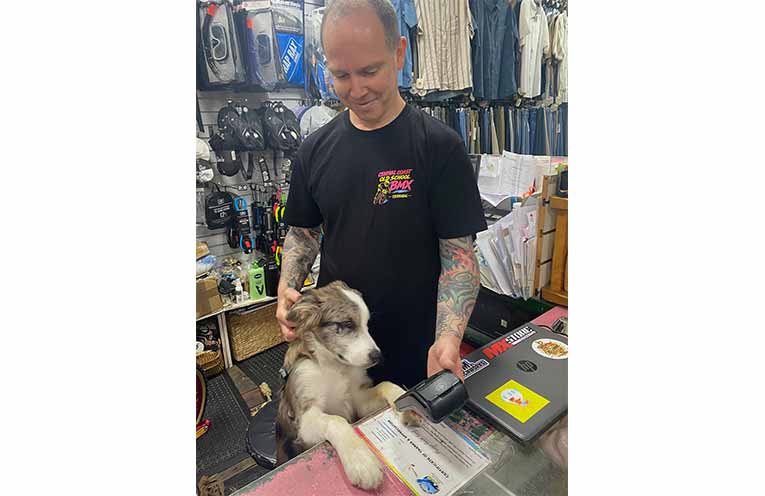
“We’ve always absorbed the merchant fee rather than passing it onto the customer as a surcharge,” said local Mungo Road Surf Shop owner Michael Russom.
“Merchant fees are a charge for the convenience of having customer payments transferred directly into your account and not having to physically handle cash and take it to the bank.
“I understand that businesses with small mark-ups may need to pass on a surcharge where card-use eats into their profits.”
Where businesses once predominantly dealt directly with banks for EFTPOS terminals and merchant fees, payment aggregators such as Square and Zeller have introduced alternative pricing structures, often charging a percentage of each transaction.
These services have simplified payment processing but also made passing transaction costs directly to customers increasingly commonplace.
For businesses that previously passed merchant fees onto customers, the new rules mean absorbing those costs or incorporating them into advertised prices.
Local café and restaurant businesses are generally subject to profit margins of less than 10 per cent and already bear the load of high sales turnover and high input costs.
Absorbing the surcharge adds yet another expense to already rising operating costs, while passing it on through higher prices could leave customers thinking twice about that extra latte with friends.
The RBA’s reforms also include reductions in wholesale card fees, potentially benefiting small businesses regardless of whether they previously imposed surcharges.
For local operators, the real question remains whether these savings will flow through to their bottom line.
By Charlene RUSSOM